
@EUCC Sermons
TO WATCH LIVE ON SUNDAY AT 10 AM, CLICK on VIMEO
2026.06.07 | Faces of Our Faith: Eutychus
But if you actually read Scripture, you discover that God seems to have a particular affection for ordinary people. People who appear for only a few verses. People who never preach a sermon or never perform a miracle.
A servant girl. A widow with two coins. A boy with five loaves and two fish. A nameless woman who reaches out and touches the hem of Jesus' garment. They often show up for just a moment. And yet without them, the story itself would be different, lacking even.
I think that's important because sometimes we imagine that faithfulness belongs to the extraordinary. We tell ourselves, "I'm not a pastor. I'm not a theologian. I'm not a saint. I'm just an ordinary person trying to live a good life."
But the good news of Scripture is that God has always been in the business of working through ordinary people. The kingdom of God is built not only by famous leaders, but by everyday acts of courage, kindness, persistence, hospitality, and hope. We are a priesthood of all believers.
In fact, if the Bible teaches us anything, it is that there really are no "minor" characters. There are only people whose stories we have not paid enough attention to.
Cuando pensamos en la Biblia, pensamos en los protagonistas principales: Moisés, David, Pedro, Pablo, María y Jesús; los grandes nombres.
Pero si realmente leemos las Escrituras, descubrimos que Dios tiene una manera especial de obrar a través de personas comunes. Una joven sirvienta. Una viuda con dos monedas. Un niño con cinco panes y dos peces. Una mujer sin nombre que extiende la mano para tocar el manto de Jesús. Puede que aparezcan solo por un instante, pero sin ellos, la historia sería diferente.
Y tal vez eso sea una buena noticia para nosotros. Porque a veces pensamos que la fidelidad es algo propio de lo extraordinario. Sin embargo, una y otra vez, Dios obra a través de personas comunes y de actos cotidianos de valentía, bondad y esperanza.
Quizás no existan realmente personajes «secundarios» en la historia de Dios, sino solo personas a cuyas historias no hemos prestado suficiente atención.
2026.05.17 | Empowerment
And at the center of that work is a simple but radical conviction: the people most impacted by the systems we seek to change must be at the center of shaping the solutions.
Not spoken for. Not managed from a distance. Not treated as projects.
But empowered as leaders, wisdom keepers, changemakers, and beloved children of God.
That means parents becoming advocates.
Neighbors becoming organizers.
Young people becoming leaders.
Community members becoming decision-makers.
That’s empowerment.
Not charity alone, but participation.
Not dependency, but belonging and leadership.

2026.05.10 | Creativity
Creativity is not only painting or music or art, though it certainly flourishes there. Creativity is the courage to imagine that things can be different.
Every movement for justice began because someone imagined a better world first.
Someone imagined freedom.
Someone imagined dignity for an oppressed people.
Someone imagined a church rooted in love and justice and belonging.
That is holy creativity. And of course it's best accompanied with the creativity of art and song, which fuels movements.
——-
Pertenecemos a un Dios creador que hizo surgir la vida del caos primordial y, dado que hemos sido creados a imagen de Dios, ese poder creativo reside también en nosotros. La creatividad es el coraje de imaginar que el mundo puede ser diferente. Hay que ser atrevido a soñar más allá de los límites del presente para hacer realidad un mundo más justo.

2026.04.05 | ALIVE IN THE WORLD
La buena noticia está más viva que cualquier cosa que intente matarla.
Viva en el amor. Viva en la justicia. Viva en ti.
Todo acto de valentía —
toda elección a favor de la dignidad —
todo momento de misericordia —
eso es resurrección.
Así que no temas. La buena noticia está... viva. Y sigue alzándose.
So if you’re asking this Easter, “Tell me something good…”
Here it is:
The good news is more alive than anything that tries to kill it.
More alive than violence.
More alive than injustice.
More alive than despair.
And it is alive in you.
Every time you choose love over fear—
Every time you stand for dignity—
Every time you feed, welcome, resist, and repair—
Resurrection is happening.
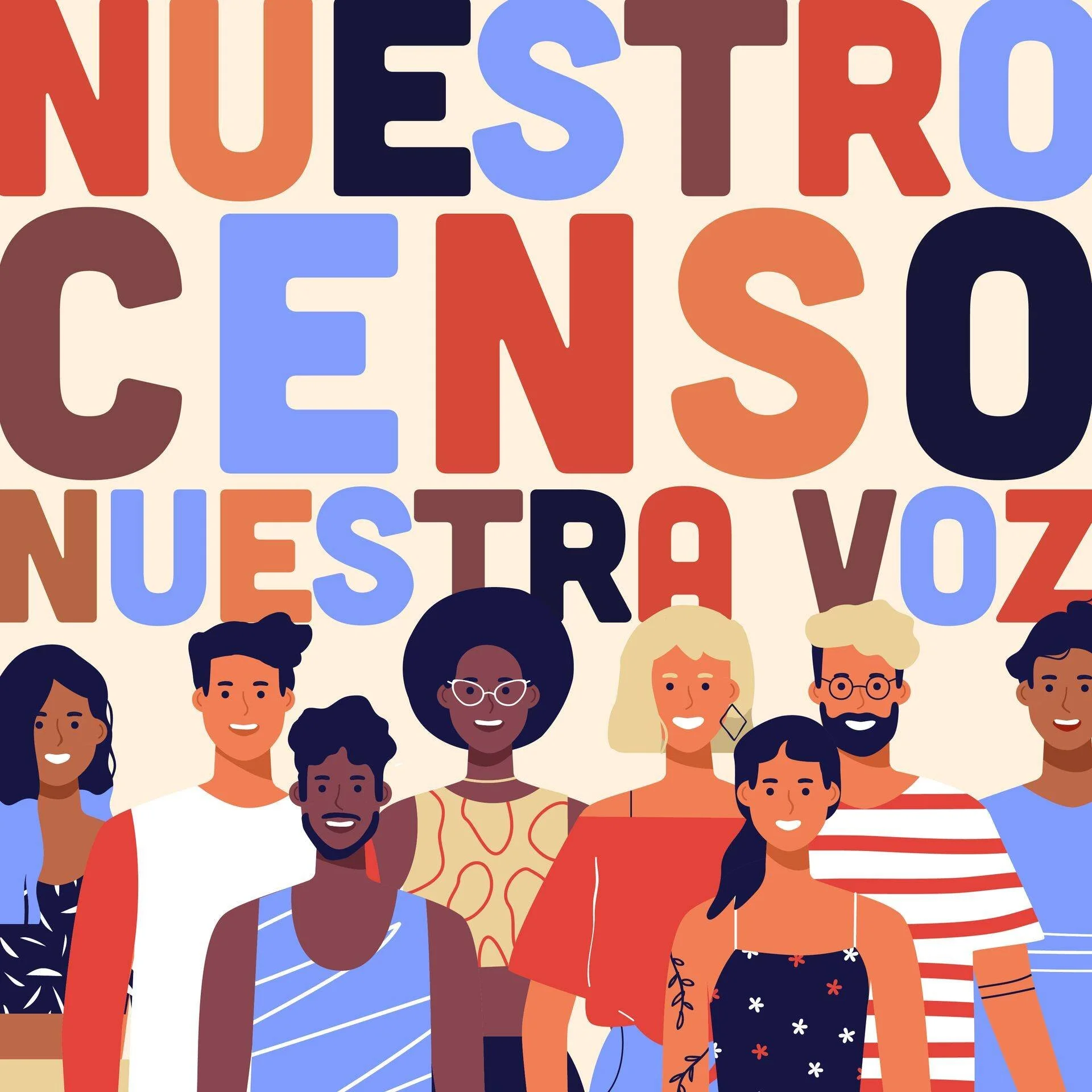
2020.01.05 | Nuestra Comunidad Cuenta / Our Community Counts
Now why did Mary and Joseph make the journey to Bethlehem in the first place? As the story goes, they were returning to take the census, and Herod was ruler of the land. While ancient historians contest exact dates, all agree that a census happened and that our antagonist, Herod was one bad hombre, who happened to also be the largest real estate developer in the region.